Address
9th Floor, Biscomaun Bhawan, Patna, Bihar- 800001
Work Hours
Monday to Saturday: 10:00 AM - 07:00 PM
Address
9th Floor, Biscomaun Bhawan, Patna, Bihar- 800001
Work Hours
Monday to Saturday: 10:00 AM - 07:00 PM

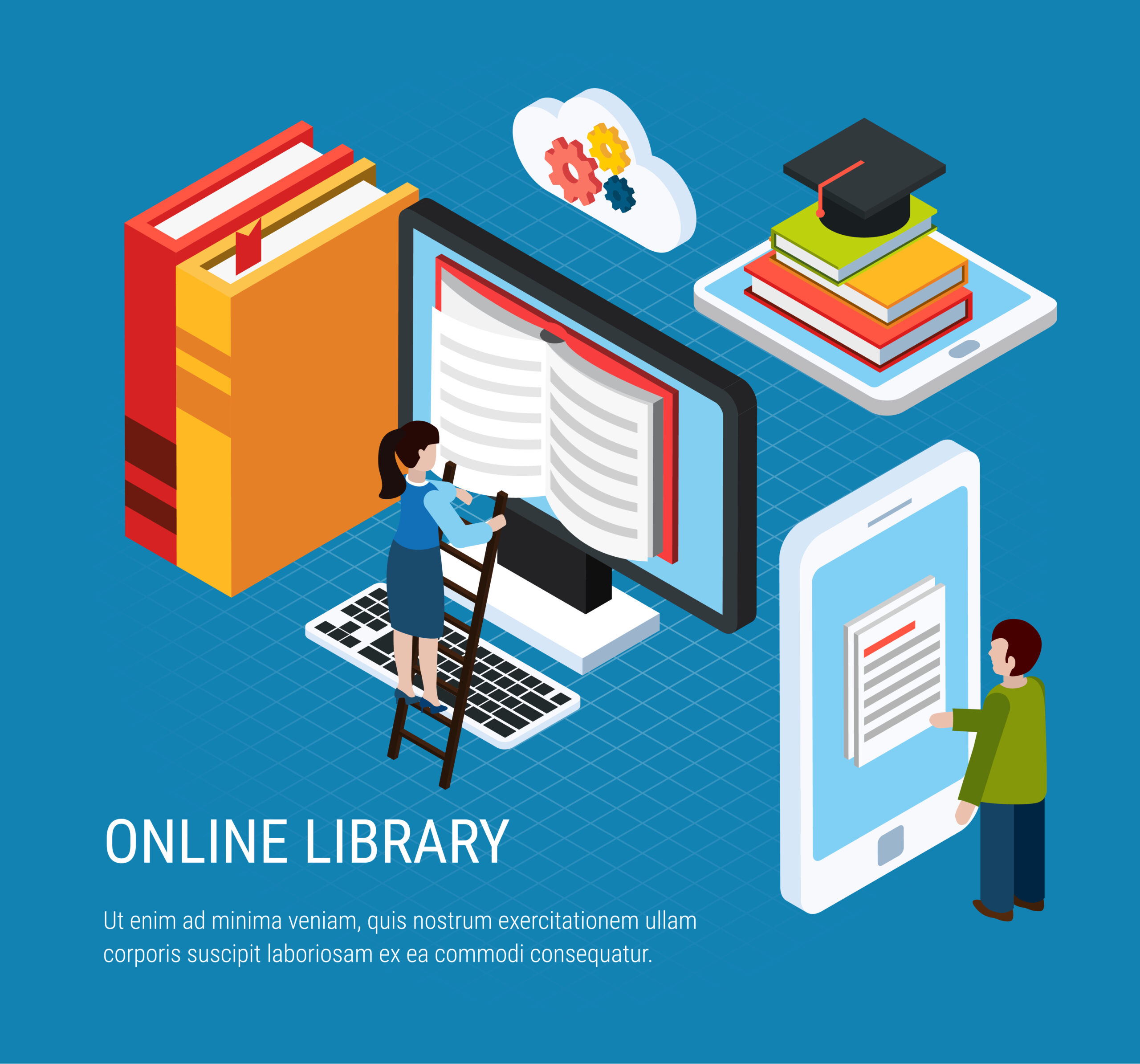
The way students learn has changed dramatically in the digital age. While traditional textbooks have been the backbone of education for decades, digital study materials are rapidly becoming the preferred choice for students and educators.
From e-books and online PDFs to educational apps and interactive learning platforms, digital resources offer flexibility, accessibility, and efficiency that printed books often cannot match.
In this article, we will explore why digital study materials are more effective than traditional books and how they can help students learn smarter and faster.
Digital study materials refer to educational resources that are available in electronic format and can be accessed through smartphones, tablets, laptops, or computers.
Examples include:
These resources allow students to access information anytime and anywhere.
One of the biggest advantages of digital study materials is accessibility.
Students can:
This convenience makes learning more flexible and efficient.
Finding information in traditional books can be time-consuming. Students often spend several minutes searching through pages.
Digital materials allow students to:
This saves time and improves productivity during study sessions.
Printed textbooks can be expensive, especially for competitive exam preparation.
Digital materials often provide:
Students can access high-quality learning materials at a much lower cost.
Digital study platforms often include interactive features that improve understanding.
These include:
Such features make complex topics easier to understand compared to plain text in printed books.
Printed books become outdated quickly, especially for subjects like:
Digital materials can be updated instantly.
Students get:
This ensures they always study the most relevant information.
Using digital study materials helps reduce paper consumption.
Benefits include:
Digital learning supports sustainable education practices.
Students often struggle to manage multiple notebooks and textbooks.
Digital platforms allow them to:
This improves overall study management.
Digital tools support effective study techniques such as:
These modern methods significantly improve knowledge retention and exam performance.
Despite many benefits, digital learning also has some limitations:
However, with proper time management, students can overcome these issues.
| Feature | Digital Study Materials | Traditional Books |
|---|---|---|
| Accessibility | Anywhere, anytime | Limited to physical copies |
| Cost | Often free or affordable | Usually expensive |
| Updates | Instant updates | Outdated quickly |
| Portability | Thousands of books in one device | Heavy to carry |
| Interactivity | Videos, quizzes, animations | Mostly text-based |
Although digital study materials offer many advantages, the best approach is often a combination of both digital and traditional learning.
Students can:
This balanced approach maximizes learning efficiency.
Yes, digital study materials offer advantages like instant access, easy search, lower cost, and interactive learning features. However, traditional books are still useful for deep reading.
Examples include:
Yes. Digital materials often include mock tests, quizzes, and performance analysis, which help students prepare more effectively for exams.
Many digital resources are free, such as online PDFs, government learning platforms, and educational YouTube channels. Some premium courses may require payment.
Yes, but many experts recommend combining digital resources with traditional books for better understanding and retention.