Address
9th Floor, Biscomaun Bhawan, Patna, Bihar- 800001
Work Hours
Monday to Saturday: 10:00 AM - 07:00 PM
Address
9th Floor, Biscomaun Bhawan, Patna, Bihar- 800001
Work Hours
Monday to Saturday: 10:00 AM - 07:00 PM

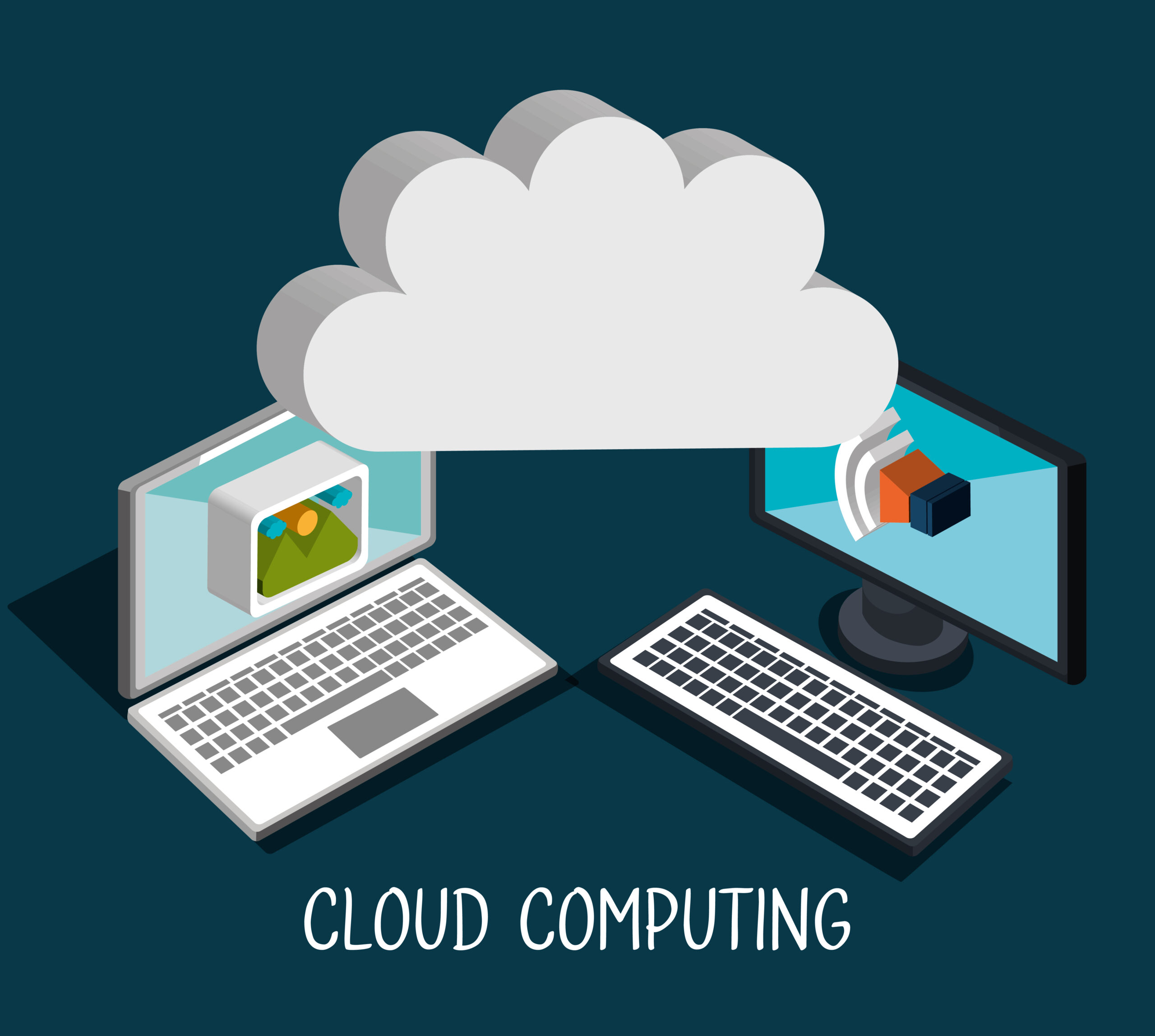
Technology is evolving faster than ever. Businesses are moving from traditional IT infrastructure to cloud-based systems to improve efficiency, scalability, and security. Because of this shift, many students and professionals are asking about Cloud Computing or Traditional IT:
Should you build a career in Cloud Computing or Traditional IT?
Cloud Computing or Traditional IT have strong career opportunities, but they differ significantly in technology, job roles, and future demand. Let’s explore the differences to help you make the right decision.
Traditional IT refers to the classic approach where companies manage their own servers, hardware, networking, and software inside physical data centers.
Traditional IT has been the backbone of business technology for decades, but many companies are gradually shifting toward cloud-based systems.
Cloud computing allows companies to store data, run applications, and manage infrastructure over the internet rather than maintaining physical servers.
Two of the most popular cloud platforms are:
Cloud computing has become one of the most in-demand skills in the tech industry.
| Factor | Cloud Computing | Traditional IT |
|---|---|---|
| Infrastructure | Virtual servers | Physical servers |
| Cost | Pay-as-you-go | High upfront cost |
| Scalability | Easily scalable | Limited scalability |
| Maintenance | Managed by cloud provider | Managed by IT team |
| Deployment | Fast and automated | Slow and manual |
| Career Growth | Very high demand | Stable but slower growth |
Companies worldwide are adopting cloud technologies rapidly.
Cloud engineers often earn higher salaries compared to traditional IT professionals.
Cloud skills allow you to work with international companies remotely.
Developers can deploy applications quickly using cloud services.
Cloud computing is a major pillar of digital transformation.
Traditional IT still has important advantages:
Many companies still rely on traditional infrastructure for certain operations.
If you want to pursue cloud computing, focus on these skills:
Traditional IT professionals need expertise in:
Approximate salary ranges in India:
Cloud computing roles generally offer higher earning potential.
Choose Cloud Computing if you:
Choose Traditional IT if you:
The future of cloud computing is extremely bright. Emerging technologies like:
all rely heavily on cloud infrastructure.
Industry experts estimate that over 90% of businesses will rely on cloud services in the coming years.
Not completely. Traditional IT still exists, but many organizations are migrating their infrastructure to the cloud.
AWS is the most widely used platform, while Azure is popular among enterprises using Microsoft technologies.
Basic coding knowledge in Python, Bash, or scripting languages is helpful but not always mandatory.
Yes. Cloud computing is one of the fastest-growing technology careers with strong demand worldwide.
Yes. Many system administrators and network engineers successfully transition into cloud roles after learning cloud platforms.