Address
9th Floor, Biscomaun Bhawan, Patna, Bihar- 800001
Work Hours
Monday to Saturday: 10:00 AM - 07:00 PM
Address
9th Floor, Biscomaun Bhawan, Patna, Bihar- 800001
Work Hours
Monday to Saturday: 10:00 AM - 07:00 PM

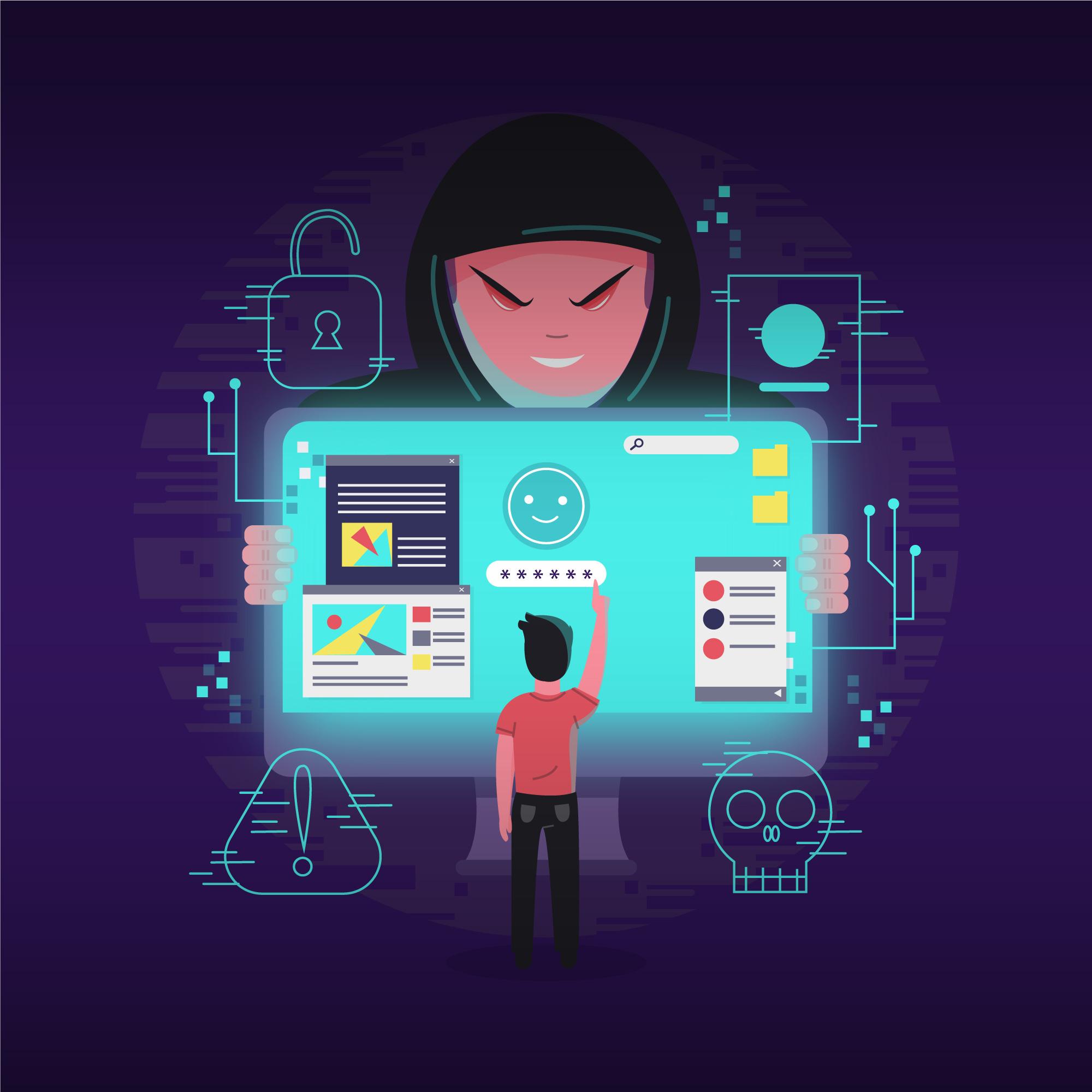
India is rapidly becoming a digital powerhouse. From online banking and e-commerce to digital government services and AI technologies, the country’s digital infrastructure is expanding at an unprecedented pace. However, with this growth comes a significant challenge.cybersecurity threats.
Cybercriminals are constantly finding new ways to exploit digital systems. This makes one of the most important skills for the future, especially for beginners who want to contribute to protecting India’s digital ecosystem.
In this guide, we will explore the basics of cybersecurity, common threats, essential skills, and how beginners can start their journey in this high-demand field.
India has one of the largest internet user bases in the world. As more services move online, protecting digital data becomes critical.
Rapid growth of digital payments and fintech
Increasing cyberattacks on businesses and government systems
Protection of personal data and privacy
Growth of smart cities and IoT devices
National security and critical infrastructure protection
Without of this strong practices, businesses, institutions, and individuals become vulnerable to attacks.
Understanding cyber threats is the first step in preventing them.
Phishing is one of the most common cyber threats where attackers trick users into sharing sensitive information like passwords or banking details through fake emails or messages.
Malicious software such as viruses, ransomware, and spyware can damage systems or steal data.
Hackers access confidential information from companies, governments, or individuals.
Cybercriminals steal personal data to impersonate victims and perform financial fraud.
Attackers manipulate people psychologically to gain access to confidential information.
If you want to start learning this, focus on building these foundational skills.
Basic computer networking
Operating systems (Linux and Windows)
Understanding of firewalls and security tools
Ethical hacking basics
Programming languages like Python
Problem-solving
Threat analysis
Risk assessment
Security monitoring
Attention to detail
Critical thinking
Communication skills
These skills form the backbone of this.
Even beginners can contribute to them by following simple digital safety habits.
Use strong and unique passwords
Enable two-factor authentication (2FA)
Avoid clicking suspicious links
Regularly update software and devices
Use trusted antivirus software
Backup important data
Small actions can significantly reduce cyber risks.
It is one of the fastest-growing tech careers. With increasing cyber threats, organizations urgently need skilled professionals.
Cybersecurity Analyst
Ethical Hacker
Security Engineer
Network Security Specialist
Digital Forensics Expert
Security Consultant
Entry-level of these professionals can earn:
• ₹4 LPA – ₹8 LPA (beginner level)
• ₹10 LPA – ₹25 LPA (experienced professionals)
The demand for skilled experts continues to rise.
If you’re new to here, follow these steps:
Consistency and hands-on practice are key to mastering cybersecurity.
India’s young population has a huge opportunity to lead the cybersecurity revolution.
Students and beginners can contribute by:
Learning cybersecurity skills early
Promoting digital awareness
Protecting personal and community data
Innovating new security solutions
With the right education and awareness, India can build a strong digital defense system for the future.
It is the practice of protecting computers, networks, and data from cyberattacks, hacking, and unauthorized access.
Yes. It is one of the fastest-growing careers due to increasing cyber threats and the need for skilled professionals.
Yes. Beginners can start with networking and security fundamentals. Coding skills can be learned gradually.
Python is one of the most popular languages used in this for automation, scripting, and analysis.
Basic cybersecurity concepts can be learned in 3–6 months, but becoming an expert may take several years of practice and experience.